Brief overview of bevel gearboxes

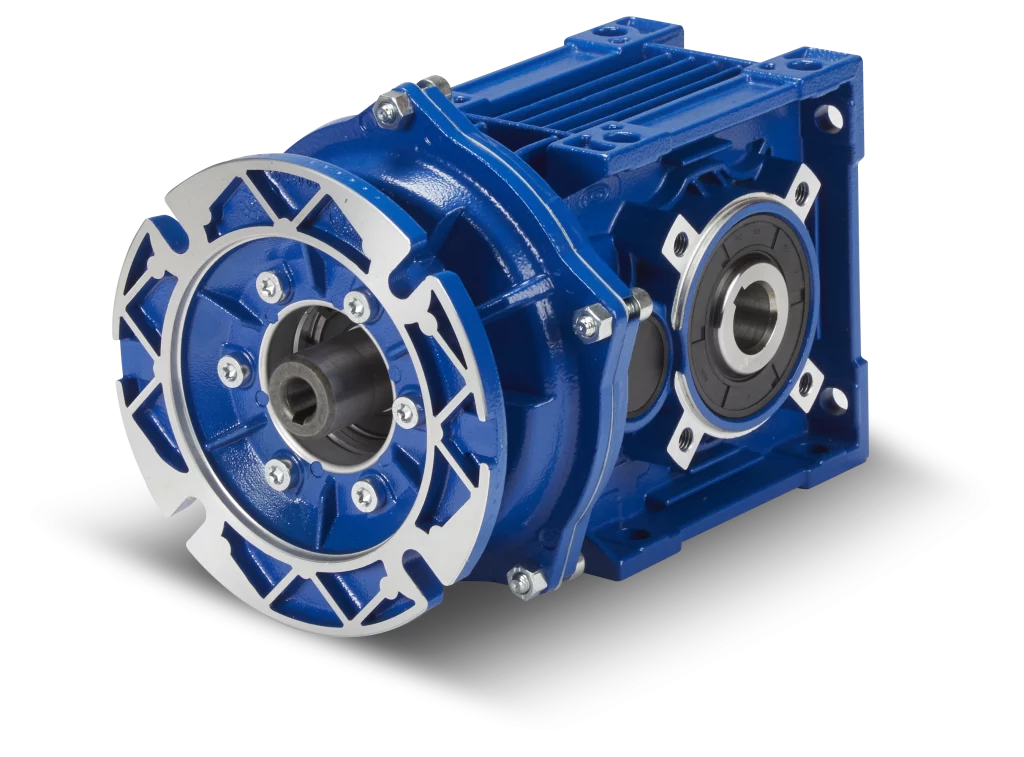
Gearboxes are crucial components in various industries, as they transmit mechanical power and torque from one rotating part to another. They come in different types, such as bevel, helical, and worm gearboxes. In this article, we'll discuss how each of these gearboxes works, their efficiency, advantages, disadvantages, and applications in different industries.
Understanding Variable Frequency Drives (VFDs): Industry Applications
Understanding Variable Frequency Drives (VFDs): Industry Applications Variable Frequency Drives serve...
READ
Understanding Variable Frequency Drives (VFDs): Maintenance
Understanding Variable Frequency Drives (VFDs): Maintenance Reliable VFD operation over its full service...
READ
Understanding Variable Frequency Drives (VFDs): Important Factors for Selection
Understanding Variable Frequency Drives (VFDs): Benefits of VFD Implementation Choosing the correct...
READ
Understanding Variable Frequency Drives (VFDs): Benefits of VFD Implementation
Understanding Variable Frequency Drives (VFDs): Benefits of VFD Implementation Variable Frequency Drives...
READ
Understanding Variable Frequency Drives (VFDs): VFD Control Methods, From Simple to High-Performance
Understanding Variable Frequency Drives (VFDs): VFD Control Methods, From Simple to High-Performance The...
READ
Understanding Variable Frequency Drives (VFDs): How VFDs Work, The Three Core Stages
Understanding Variable Frequency Drives (VFDs): How VFDs Work, The Three Core Stages At its core, a...
READ
Understanding Variable Frequency Drives (VFDs): Why VFDs Matter in Modern Industry
Understanding Variable Frequency Drives (VFDs): Why VFDs Matter in Modern Industry In any modern industrial...
READ
How to Read a NEMA Motor Nameplate
How to Read a NEMA Motor Nameplate NEMA (National Electrical Manufacturers Association) motor nameplates...
READ
IP Ratings for Industrial Motors: What You Really Need to Know
IP Ratings for Industrial Motors: What You Really Need to Know What’s an IP Rating Anyway? When...
READ
How to Read an IEC (International Electrotechnical Commission) Motor Nameplate
How to Read an IEC (International Electrotechnical Commission) Motor Nameplate IEC motor nameplates provide...
READ

How does a bevel gearbox work?

Gearboxes are crucial components in various industries, as they transmit mechanical power and torque from one rotating part to another. They come in different types, such as bevel, helical, and worm gearboxes. In this article, we’ll discuss how each of these gearboxes works, their efficiency, advantages, disadvantages, and applications in different industries.

How efficient is a bevel gearbox?

Bevel gearboxes are generally very efficient, with efficiency ratings typically ranging from 93% to 97%. The efficiency of a bevel gearbox depends on factors such as gear material, tooth profile, lubrication, and manufacturing quality. High-quality bevel gearboxes can provide smooth and efficient power transmission in various applications.

Where do industries use bevel gearboxes?

Bevel gearboxes are found in various industries, such as quarrying/aggregates, process controls & materials handling. Their high efficiency, smooth & operation, make them suitable for a wide range of power transmission applications.

Types of bevel gears

There are three main types of bevel gears: straight bevel gears, spiral bevel gears, and hypoid bevel gears. Straight bevel gears have teeth cut straight and parallel to the gear axis, while spiral bevel gears have teeth that are curved and gradually increase in size from the large end to the small end. Hypoid bevel gears are a variation of the spiral bevel gear, with the gear axis offset, allowing for greater tooth contact and load-carrying capacity.

Advantages and disadvantages

Bevel gears offer several advantages, such as smooth operation, high torque transmission, and the ability to change the direction of rotation. However, they also have some disadvantages, such as increased complexity in manufacturing and higher costs compared to other types of gears.