Comparing Gearboxes

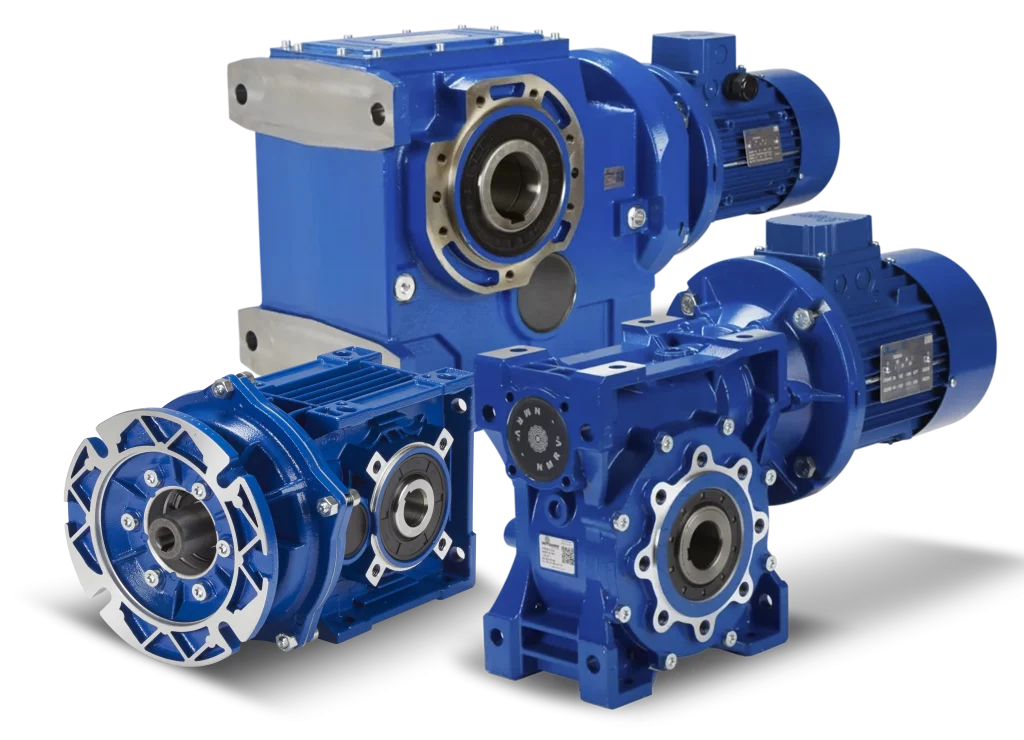
Gearboxes are crucial components in various industries, as they transmit mechanical power and torque from one rotating part to another. They come in different types, such as bevel, helical, and worm gearboxes. In this article, we'll discuss how each of these gearboxes works, their efficiency, advantages, disadvantages, and applications in different industries.
Understanding Variable Frequency Drives (VFDs): Industry Applications
Understanding Variable Frequency Drives (VFDs): Industry Applications Variable Frequency Drives serve...
READ
Understanding Variable Frequency Drives (VFDs): Maintenance
Understanding Variable Frequency Drives (VFDs): Maintenance Reliable VFD operation over its full service...
READ
Understanding Variable Frequency Drives (VFDs): Important Factors for Selection
Understanding Variable Frequency Drives (VFDs): Benefits of VFD Implementation Choosing the correct...
READ
Understanding Variable Frequency Drives (VFDs): Benefits of VFD Implementation
Understanding Variable Frequency Drives (VFDs): Benefits of VFD Implementation Variable Frequency Drives...
READ
Understanding Variable Frequency Drives (VFDs): VFD Control Methods, From Simple to High-Performance
Understanding Variable Frequency Drives (VFDs): VFD Control Methods, From Simple to High-Performance The...
READ
Understanding Variable Frequency Drives (VFDs): How VFDs Work, The Three Core Stages
Understanding Variable Frequency Drives (VFDs): How VFDs Work, The Three Core Stages At its core, a...
READ
Understanding Variable Frequency Drives (VFDs): Why VFDs Matter in Modern Industry
Understanding Variable Frequency Drives (VFDs): Why VFDs Matter in Modern Industry In any modern industrial...
READ
How to Read a NEMA Motor Nameplate
How to Read a NEMA Motor Nameplate NEMA (National Electrical Manufacturers Association) motor nameplates...
READ
IP Ratings for Industrial Motors: What You Really Need to Know
IP Ratings for Industrial Motors: What You Really Need to Know What’s an IP Rating Anyway? When...
READ
How to Read an IEC (International Electrotechnical Commission) Motor Nameplate
How to Read an IEC (International Electrotechnical Commission) Motor Nameplate IEC motor nameplates provide...
READ

Bevel vs. helical

Bevel gearboxes are suitable for transmitting power between intersecting shafts, while helical gearboxes can transmit power between parallel or non-parallel shafts. Bevel gears are generally more compact while helical gears offer smoother, quieter operation.

Bevel vs. worm

Bevel gearboxes are generally more efficient and capable of handling higher speeds than worm gearboxes. However, worm gearboxes offer higher torque transmission and a self-locking mechanism, making them suitable for applications requiring high torque and compact design.

Helical vs. worm

Helical gearboxes offer higher efficiency, smoother operation, and the ability to handle higher speeds compared to worm gearboxes. Worm gearboxes, on the other hand, provide high torque transmission, a compact design. The choice between helical and worm gearboxes will depend on the specific needs of the application, such as torque, efficiency, and space constraints.